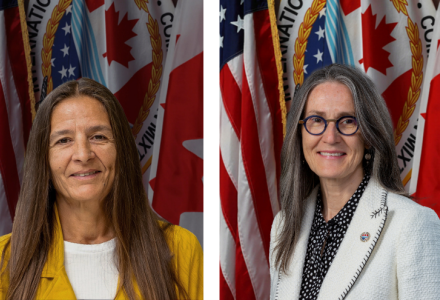
Newly Appointed Commissioners, Great Lakes Day, More Welcome back to our Shared Waters newsletter, covering activities in the Canada-United States transboundary region, including the Great Lakes. Read the newsletter International Joint Commission Activated in Elk-Kootenai/y Watershed News Release Susan Chiblow appointed and Merrell-Ann Phare reappointed as IJC Canadian Commissioners The International Joint Commission (IJC) is pleased to announce the appointment of Dr. Susan Chiblow as Canadian Commissioner. Read more What's New Related Groups International Lake Superior Board of Control News Release Update on Lake Superior Outflows and Expected Conditions - May 2024 Related Groups International Lake Ontario-St. Lawrence River Board News Release Lake Ontario-St. Lawrence River Water Levels Update: Winter - Spring 2024 Related Groups International St. Mary and Milk Rivers Study Board News Release International St. Mary and Milk Rivers Study Board Announces June 5 Public Town Hall Meeting Related Groups International Kootenay Lake Board of Control News Release 2024 Kootenay Lake Spring Rise Declaration Boards International Watersheds Initiative Publications Events Transboundary Watersheds Select a watershed (basin) within the map below to learn more about the IJC’s water-related activities. Feature Videos View more Shared Waters Read IJC’s newsletter to stay current on how Canada and the United States are working together to manage the health and flow of the waters shared by our two countries. Don’t just go with the flow, get with the flow! Refining the Process for Evaluating Regulation Plan 2014 Newly Appointed Canadian Commissioners Chiblow and Phare Working Toward Greater Indigenous Collaboration Great Lakes Day in Washington, D.C., Highlights the Power of Partnerships Great Lakes Advisory Board Studies Explore how to Better Combat Nutrient Imbalances in Lake Erie
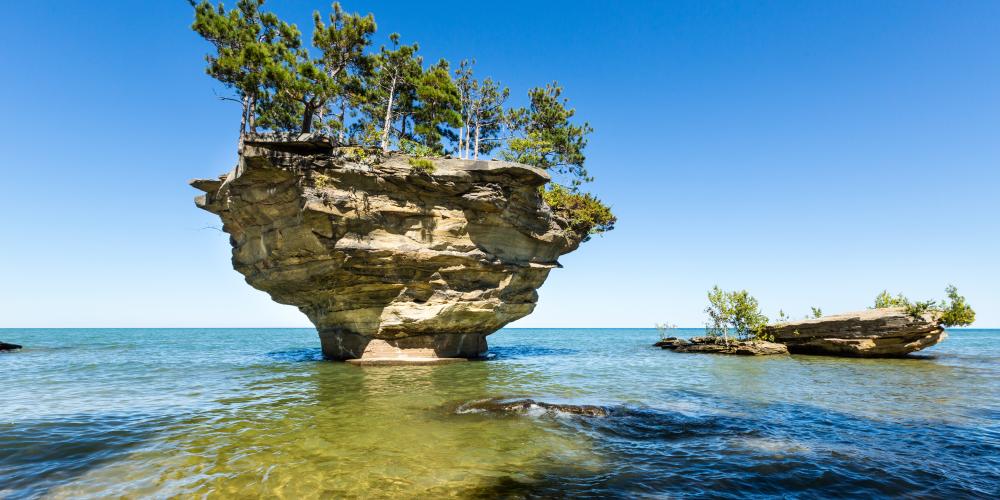
Related Groups International Lake Superior Board of Control News Release Update on Lake Superior Outflows and Expected Conditions - May 2024
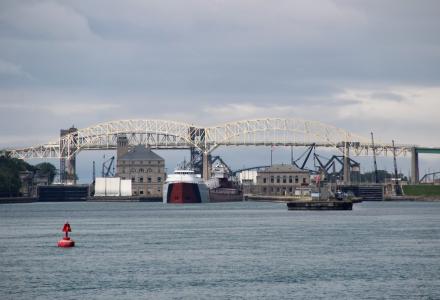
Related Groups International Lake Ontario-St. Lawrence River Board News Release Lake Ontario-St. Lawrence River Water Levels Update: Winter - Spring 2024
Related Groups International St. Mary and Milk Rivers Study Board News Release International St. Mary and Milk Rivers Study Board Announces June 5 Public Town Hall Meeting
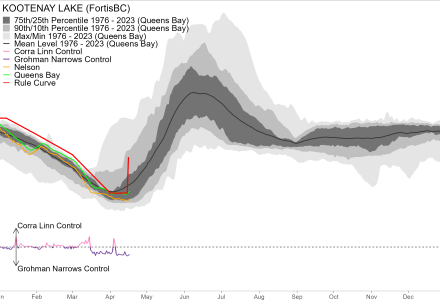
Related Groups International Kootenay Lake Board of Control News Release 2024 Kootenay Lake Spring Rise Declaration
Newly Appointed Canadian Commissioners Chiblow and Phare Working Toward Greater Indigenous Collaboration